











One month, $100 starting capital, and the goal of making $30,000 from it – with this announcement, poker vlogger Alex „KDog Poker“ Kobzyev started the new year – the dream of quick money!
Read also: GCLi: Insane rush at Carnival Masquerade!
The idea sounded like a classic bankroll challenge: start small, build up with discipline, play higher step by step. But what followed was less a structured project and more a rollercoaster ride with a predictable end.
Hot start with tailwind
The first few days at the Texas Card House poker room went surprisingly well. The initial $100 quickly turned into several thousand, and at times the bankroll stood at over $4,000.
The run gave him confidence, perhaps even a feeling of being unstoppable. It was at this exact point, however, that the crucial decision was made: instead of continuing to play within a sensible framework, he sat down at a $5/$5/$10 table with $1,000 – a limit his bankroll objectively could not support. Shortly thereafter, he was all-in preflop, ran into a stronger hand, and lost a large portion of his capital. The attempt to win it back immediately ended in further all-ins – and finally, zero. The challenge was over after just a few days.
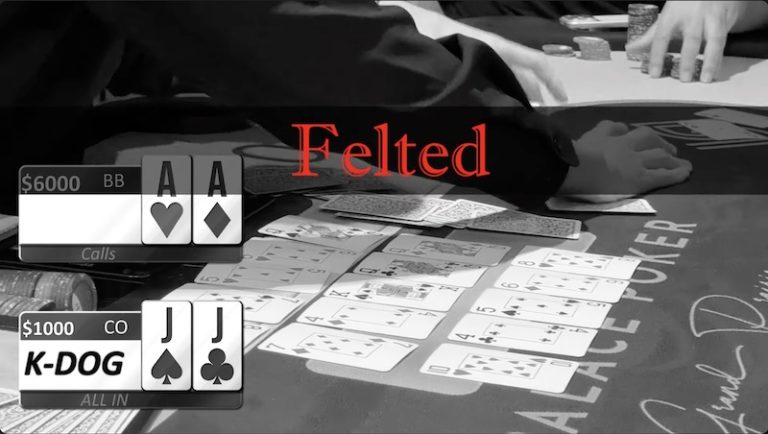
When variance takes over
What seemed like a bold challenge thus turned out to be more of a game against variance. Of course, poker thrives on risk, and spectacular shots naturally create excitement. But bankroll management exists precisely to prevent such crashes. Anyone who wants to be seriously successful in the long run plans limits not by feel, but by capital. A single lost pot should not be able to destroy an entire project. Ignoring this principle quickly turns poker from a strategic competition into pure gambling.
Read also: Card Casino SK – Overlay Alert in Lucky Sevens – last chance today!
This does not mean that bankroll challenges are fundamentally wrong. Those who do not live off the game and consciously use a leisure budget can certainly experiment with more aggressive formats. Such projects can be motivating, accelerate learning processes, and create content that entertains the community. It only becomes problematic when the quick breakthrough becomes more important than the structure behind it – when the challenge tests less one’s own skills than the willingness to bet everything on a few coin flips.
Good entertainment – but a good signal?
And yet: it is positive that poker content exists and that someone publicly takes on such a difficult task. Transparent swings, visible mistakes, and also defeats make the game tangible. The only question is what image is created. Is poker shown as a disciplined long-term process – or as a stage for extreme shots and quick escalation? Paradoxically, even success would have been ambivalent. Had the aggressive strategy worked, it might have conveyed the message that massive risk is the right way to go.
In the end, what remains is less a spectacular story than a reminder of an old truth: poker rewards patience and structure. Those who ignore them are not playing against opponents – but against their own bankroll.
Read also: GCA Pokerroom 2.0 – Damned! ‚Ms. Devil‘ wins the Classic Deepstack!